
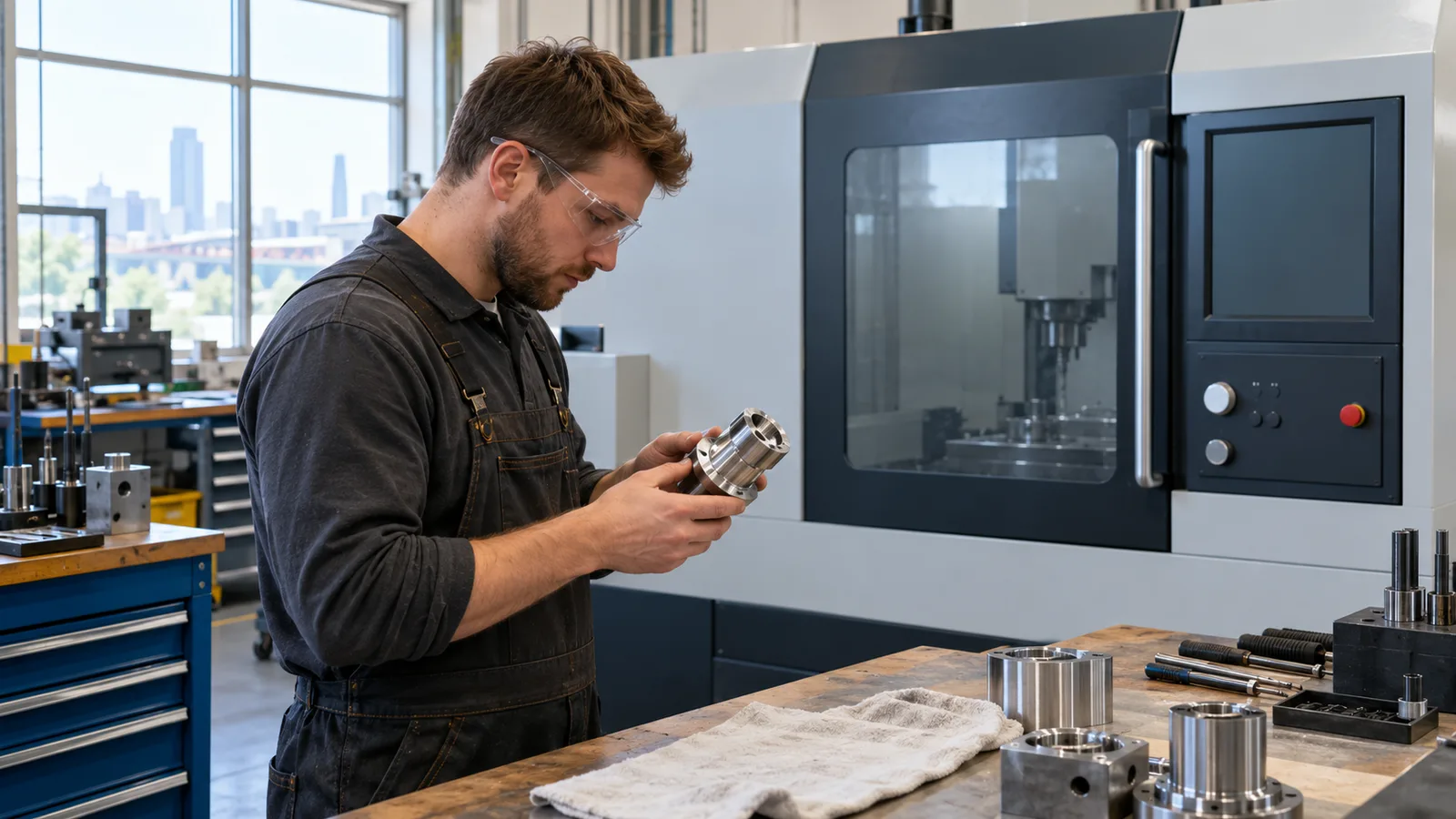
For owners asking how to sell a precision machining business, Milwaukee Business Brokers Hub offers a starting point for a valuation referral.
Separate Repeat Work From a Busy Month
An order book can look strong while depending on a single purchasing manager. Separate scheduled releases, open purchase orders and work that customers have not yet committed to buy.
Show which accounts return for the same parts and which jobs require a fresh quote each time. That distinction helps a buyer understand what is likely to continue after you leave.
Check whether customer contracts allow assignment. A reliable history is useful, but it does not replace written approval when the agreement requires it.
What would a buyer need to reproduce next month's output if you were unavailable for a week?
Make the Shop Understandable Without You
List the machines included in the sale, ownership or finance arrangements, service records and any equipment the buyer must replace soon. Keep leased equipment separate from owned assets.
Record where programs, drawings and inspection procedures live. A buyer needs to know whether knowledge belongs to the company or exists only in your memory.
Explain the roles of the estimator, programmer and shop supervisor. A capable team can make the handoff clearer than an owner who answers every production question.